शुक्रवार, श्रावण २२ गते २०८३

२०८३, श्रावण २२ गते
२०८३, श्रावण २२ गते
लेखक: सोम तामाङ

बुधवार , बैशाख १६, २०८३

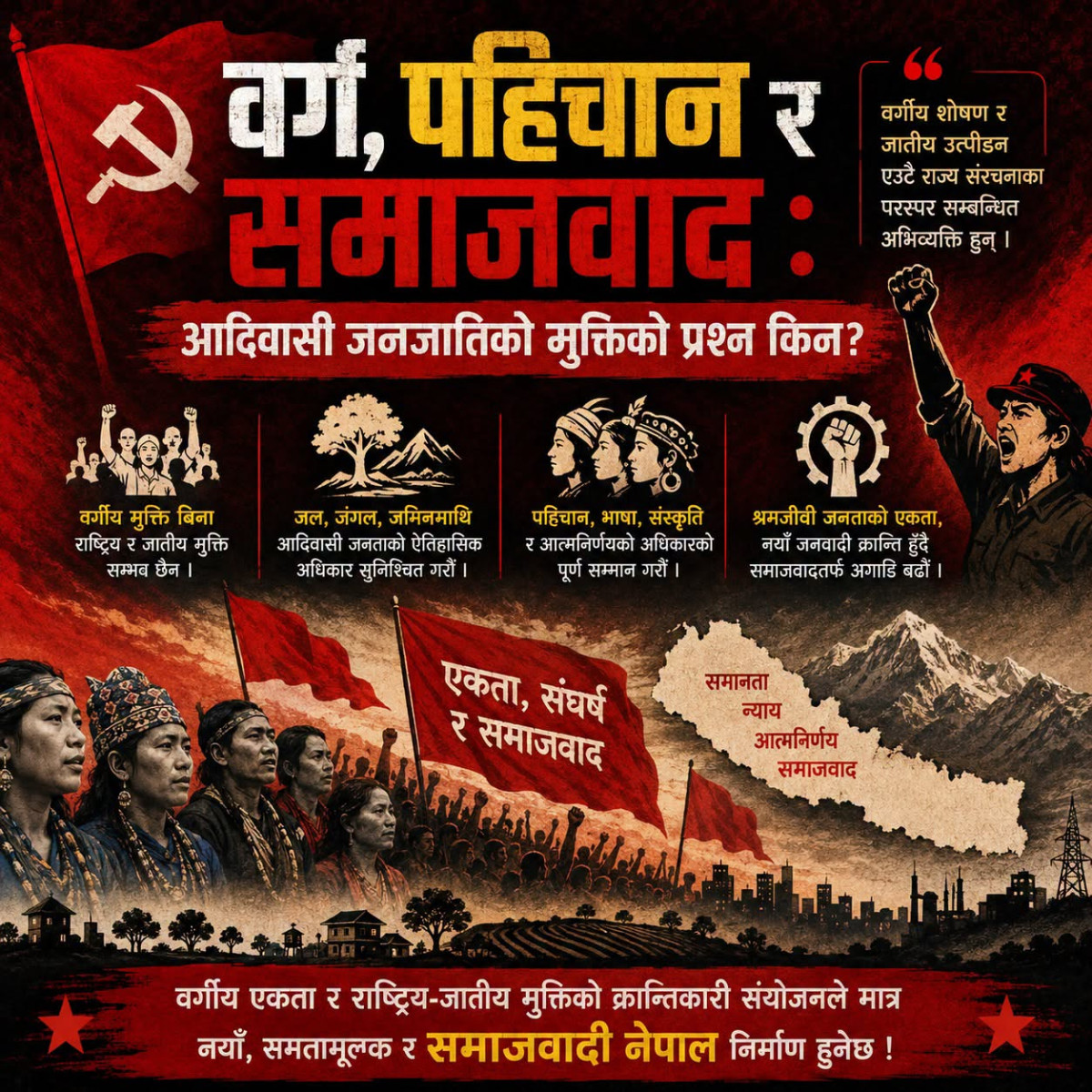
Kathmandu / The blood and sweat of the oppressed castes of the Himalayas, hills and Tarai, landless squatters, working class workers, employees, students and intellectuals have been shed in the democratic movement and social change of Nepal. This vast section, which considered the Nepali communist movement as its guardian for decades, recently voted for a new force and faced in the form of a kind of disillusionment and 'silent rebellion'. However, what the current political developments show is that - are our historical rights not being put in danger by decisions made on impulse?
"Silent voting" and the shadow of populism
Whether it is a sweaty worker in the homeland or a working class trapped in the Gulf, everyone supported the 'bell' or 'freedom' campaign in the face of the change in the system but the situation did not change. However, when a government without ideas and a clear political direction tries to run with the help of 'populism', then there is a danger that it will gradually take the form of dictatorship. The current trend indicates that the fundamental rights of the people and the right to organize have begun to be attacked.
Attacks on fundamental rights and the right to organize
The soul of any democracy is for citizens to organize and speak up for their rights. However, the actions taken by the current government and some so-called 'new' forces have raised serious questions:
Attacks on student and teacher organizations: Student organizations are not just political recruitment centers, they are also vehicles of social consciousness and change. Attempts to abolish or weaken teacher and student organizations through administrative orders will leave no one left to speak out against the injustices that will be faced in the educational sector in the future.
Insult to Trade Unions: Trade unions are the only weapon to ensure workers' safety and minimum wages. The mentality of abolishing them paves the way for the working class to be enslaved again by the bosses.
Insecurity of employees and the middle class: Decisions made in a 'dictatorial' style, above the rules and laws, have created fear in the employee mechanism. It promotes individual whims rather than the rule of law.
Fear of losing constitutional rights
The fundamental rights granted by the 2072 Constitution—which include the right to freedom, the right to form associations, and the right to labor—are now in danger. The eviction of squatters without any alternative, the displacement of small traders instead of protecting them, and the suppression of the voices of the lower classes in the name of 'law' are shrinking democracy. If awareness is not raised at the public level now and efforts are not made to stop these trends, the constitutional rights that the people have acquired are certain to be gradually taken away.
The way forward: awareness and unity
The time has come for the lower-middle class of the Himalayas, the hills and the Terai, the small and big businessmen investing domestic capital, and the entire oppressed community to think seriously. If voting on impulse serves to tie our hands and feet, such an 'alternative' will only lead society into a deeper abyss.
The Nepali Communist Movement and other established forces also need to correct their weaknesses and win the trust of the people. However, the main need today is for the citizens to organize to protect their rights and save democracy from the clutches of dictatorship. It would be wiser to be vigilant in protecting rights rather than regretting when rights are taken away.
© 2026 All right reserved to communistonline.com
Design & Developed By